Budget Camping: How to Save on Gear and Sites
Camping offers an accessible way to connect with nature without the overhead of traditional travel. However, the initial investment in gear and the cost of campsites can add up quickly. For those looking to minimize expenses, a strategic approach to equipment selection and reservation planning can make a significant difference. This article explores practical methods for reducing costs while maintaining a comfortable and safe outdoor experience. By focusing on resourcefulness and informed decision-making, it is possible to enjoy the outdoors without straining a budget.
The following sections outline specific strategies for acquiring affordable gear, selecting cost-effective campsites, and managing bookings efficiently. The guidance provided is based on general principles of budget travel and outdoor recreation. Outcomes will vary depending on individual circumstances, regional pricing, and availability. The aim is to present a framework for making informed choices rather than prescribing a one-size-fits-all solution.
Smart Gear Acquisition: New, Used, and DIY Options
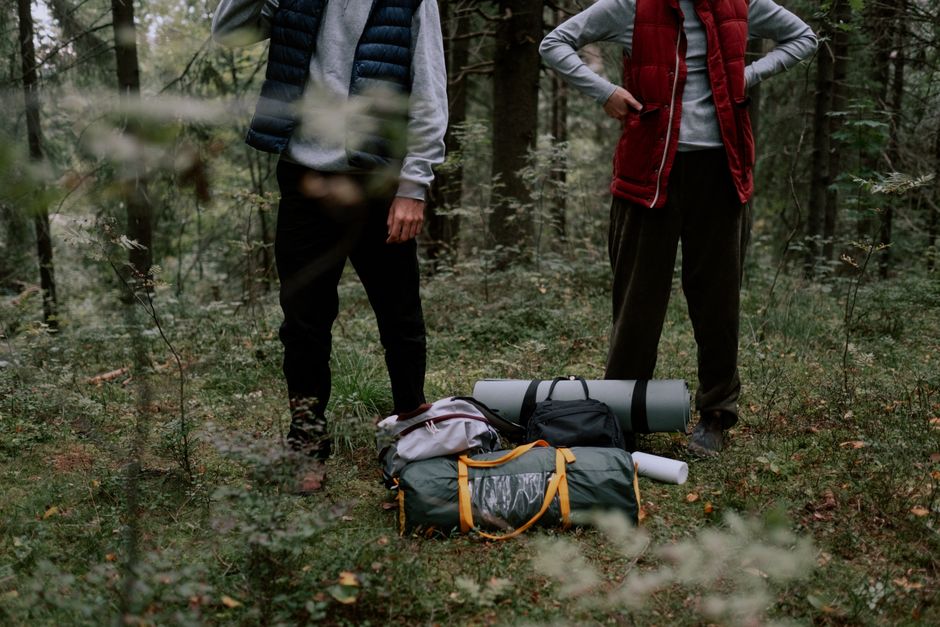
When it comes to camping equipment, the price range is vast, from high-end specialty items to basic budget-friendly alternatives. One of the most effective ways to save is to consider second-hand gear. Online marketplaces, consignment stores, and gear swaps often offer tents, sleeping bags, and cooking equipment at a fraction of the original cost. Before purchasing used items, it is advisable to inspect them for damage, such as tears, broken zippers, or mold, and to test functionality when possible. Many outdoor enthusiasts upgrade their gear regularly, meaning gently used items are frequently available.
Another approach is to prioritize versatility and durability over brand names. Budget-friendly brands may offer adequate performance for occasional camping trips. Reading reviews and comparing specifications can help identify affordable options that meet essential needs. Renting gear is also an option for those who camp infrequently, as many outdoor retailers and local outfitters offer rental programs for tents, sleeping bags, and backpacks. This can be particularly cost-effective for families or groups who need multiple pieces of equipment.
For the hands-on camper, DIY projects can reduce costs further. Repairing existing gear instead of replacing it, such as patching a tent or resealing seams, can extend its lifespan. Homemade gear, like simple camp furniture or DIY fire starters, can also save money. However, safety should always be a priority, especially for items like stoves or lighting, where reliable performance is crucial. By combining these strategies, campers can build a functional gear kit without overspending.
Selecting Low-Cost Campsites
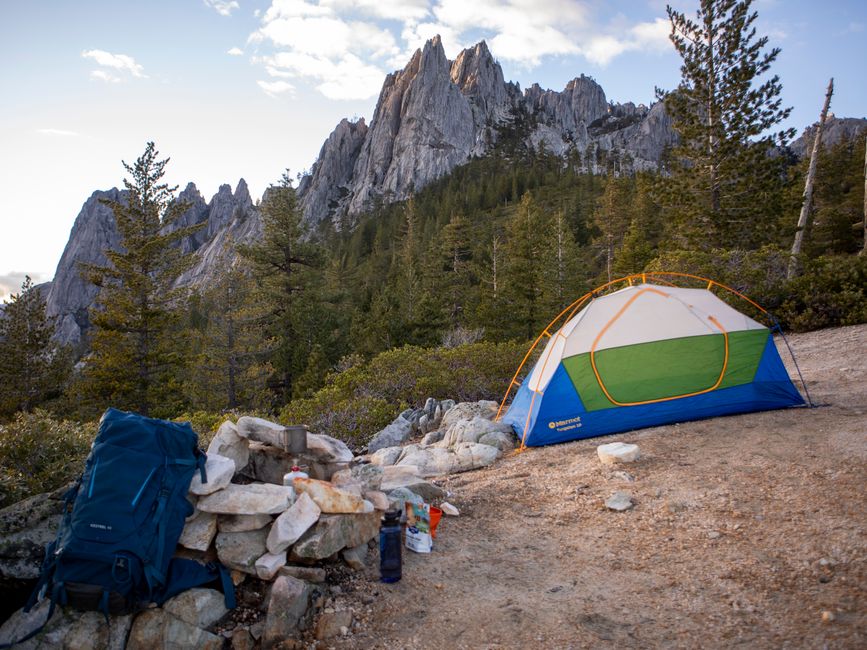
The cost of campsites varies widely depending on the type of facility, location, and amenities. Public lands, such as national forests, Bureau of Land Management (BLM) areas, and some state parks, often offer more affordable camping options compared to private campgrounds. Dispersed camping, which involves camping outside of designated campgrounds on public lands, is generally free, but it requires self-sufficiency in terms of water, sanitation, and waste disposal. It is essential to check local regulations and fire restrictions before choosing this option.
State parks frequently provide campsites at lower rates than private RV resorts or commercial campgrounds. Many state parks offer basic sites with fire rings and picnic tables at a reduced cost. Additionally, some parks have “primitive” sites with fewer amenities, which are typically cheaper. Booking these sites during the off-season or on weekdays can also result in lower fees. For those willing to forego electricity and hookups, savings can be substantial.
Another strategy is to look for campgrounds that offer discounts for members of organizations like AAA, AARP, or military personnel. Some public agencies provide reduced rates for seniors or disabled visitors. It is also worth checking if there are any local camping clubs or groups that negotiate group rates. By researching options and being flexible with location and timing, campers can find affordable sites that meet their needs.
Booking Strategies for Savings
Advance planning can lead to significant savings when booking campsites. Many campgrounds have different rate structures based on demand, with higher prices during peak season and holidays. By reserving early, campers can often secure lower rates and guarantee availability. Conversely, last-minute cancellations may open up spots at reduced prices, but this approach involves uncertainty and may not suit all travelers.
Comparing prices across different platforms is essential. Some campgrounds offer direct booking discounts if you reserve through their website or by phone rather than using a third-party booking service. Additionally, some parks offer discounts for multi-night stays or for camping during the week. It is also beneficial to check if there are any special promotions or packages that bundle campsite fees with other activities, such as guided tours or equipment rentals, which might provide better value.
For those open to traveling during less popular periods, such as late spring or early fall, campground rates may drop after the summer rush. Weather conditions can be favorable, and crowds are thinner, enhancing the overall experience. However, it is important to consider seasonal weather patterns and plan accordingly. By employing these booking strategies, campers can reduce the financial burden of site fees while still enjoying their outdoor adventures.
Additional Cost-Saving Considerations
Beyond gear and campsite fees, other aspects of camping can impact the budget. Food is a significant expense, but planning meals in advance and packing non-perishable items can help control costs. Cooking simple meals over a campfire or portable stove is often cheaper than dining out. Additionally, bringing reusable water bottles and filtering water from natural sources, where safe, can eliminate the need for bottled water.
Transportation costs can also be minimized by carpooling with friends or family, choosing a destination closer to home, or using a fuel-efficient vehicle. Some campsites are accessible by public transportation, which may reduce travel expenses, though it may limit the amount of gear you can bring.
Entertainment and activities can be budget-friendly as well. Hiking, swimming, and wildlife viewing are usually free. Some parks offer free ranger-led programs or interpretive walks. For those interested in fishing or boating, purchasing annual passes or multi-day permits may be more economical than daily fees. By considering all aspects of the trip, campers can identify areas where costs can be trimmed without sacrificing enjoyment.
Effective budget camping is not about deprivation but about making informed choices that align with your needs and resources. It involves a willingness to explore alternatives and a focus on the core experience of spending time outdoors.
Long-Term Strategies for Budget Camping
Developing a long-term approach to camping can yield ongoing savings. Investing in durable gear that lasts for many seasons may be more costly upfront but can be more economical over time. Proper care and maintenance, such as cleaning and storing gear correctly, can extend its lifespan and reduce replacement frequency. Keeping a gear inventory and a list of what you actually use can prevent unnecessary purchases.
Joining online communities and forums dedicated to budget camping can provide valuable tips and information about deals, sales, and free camping opportunities. Members often share their experiences with specific campgrounds and gear, offering insights that can help others save money. Additionally, participating in gear rental or sharing programs within communities can reduce individual ownership costs.
Another long-term strategy is to volunteer with organizations that manage public lands. Some positions come with free camping or reduced fees in exchange for a few hours of work per week. This arrangement can make extended camping trips more feasible for those with flexible schedules. By adopting a proactive and resourceful mindset, campers can cultivate a sustainable approach to enjoying the outdoors on a budget.
Ultimately, the goal is to create memorable experiences without unnecessary financial strain. Every camper’s situation is unique, so it is important to evaluate which strategies are most relevant to your circumstances. The information presented here serves as a guide to help you make cost-effective decisions that enhance your camping experience.