Glamping vs Traditional Camping: Pros and Cons
When planning an outdoor getaway, one of the first decisions involves choosing between the rustic charm of traditional camping and the refined convenience of glamping. Both approaches offer unique ways to experience the natural world, yet they cater to different expectations and levels of outdoor familiarity. Understanding the fundamental differences in comfort, cost, and connection to nature can help in making an informed choice that aligns with personal preferences and trip goals.
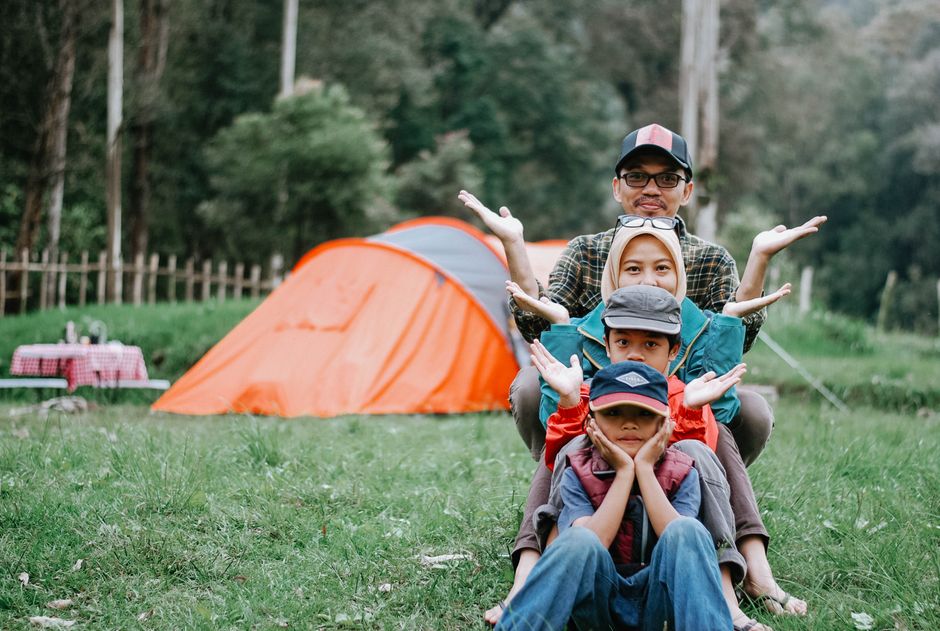
Traditional camping typically involves pitching a tent, sleeping on the ground, and preparing meals over a campfire or portable stove. It emphasizes self-sufficiency and immersion in the environment. Glamping, on the other hand, combines the experience of staying outdoors with the amenities of a hotel, such as real beds, electricity, and sometimes private bathrooms. This comparison aims to outline the pros and cons of each style, focusing on how they balance comfort, cost, and the quality of the nature experience.
Comfort and Amenities
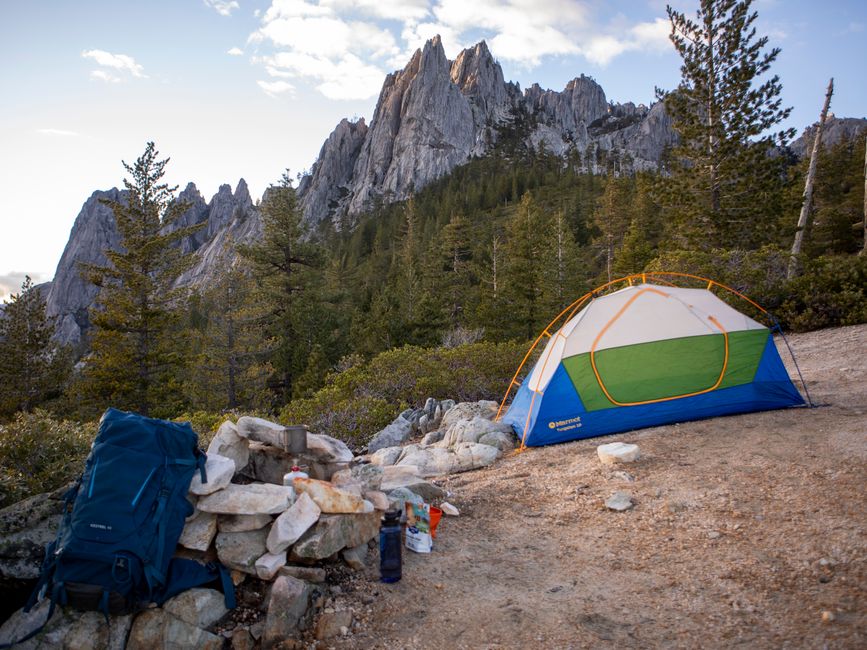
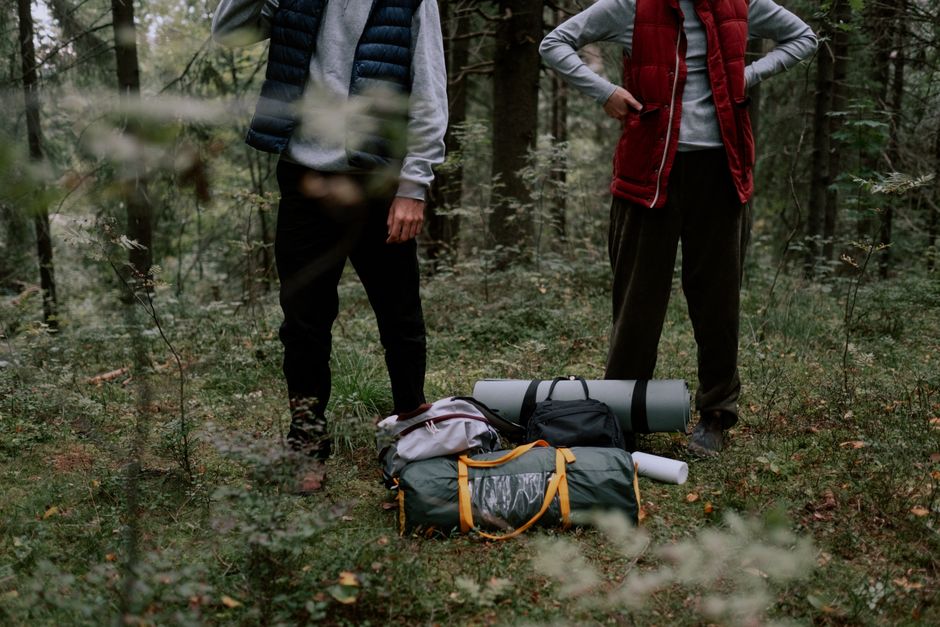
Comfort is often the most noticeable difference between glamping and traditional camping. Traditional camping requires participants to bring all necessary gear, including tents, sleeping bags, and cooking equipment. The experience is generally more rugged, with exposure to weather conditions and limited access to modern conveniences. For some, this simplicity is appealing, as it allows for a more authentic and unplugged experience. However, it also means dealing with uneven sleeping surfaces, temperature fluctuations, and the need to manage without electricity or running water.
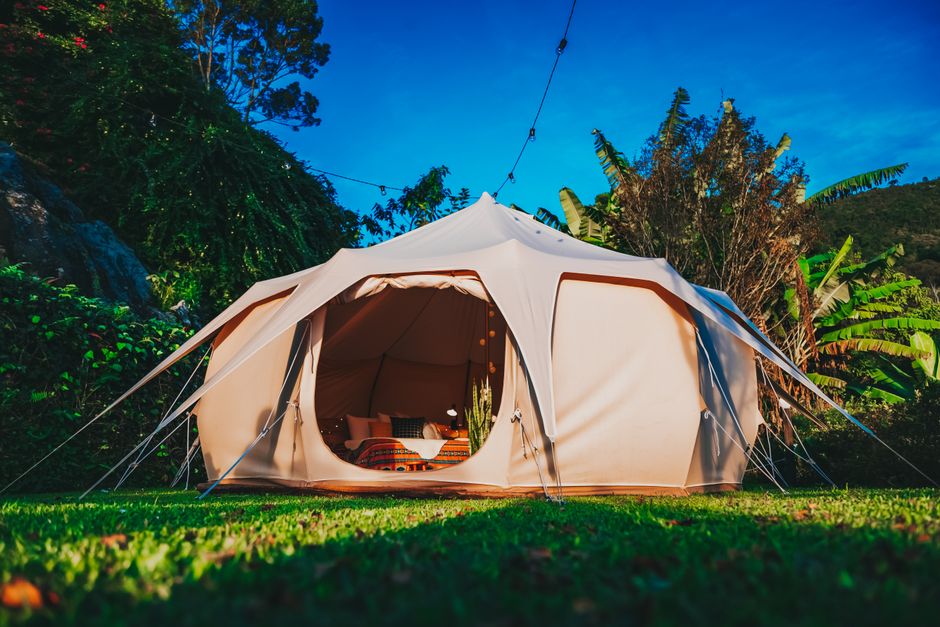
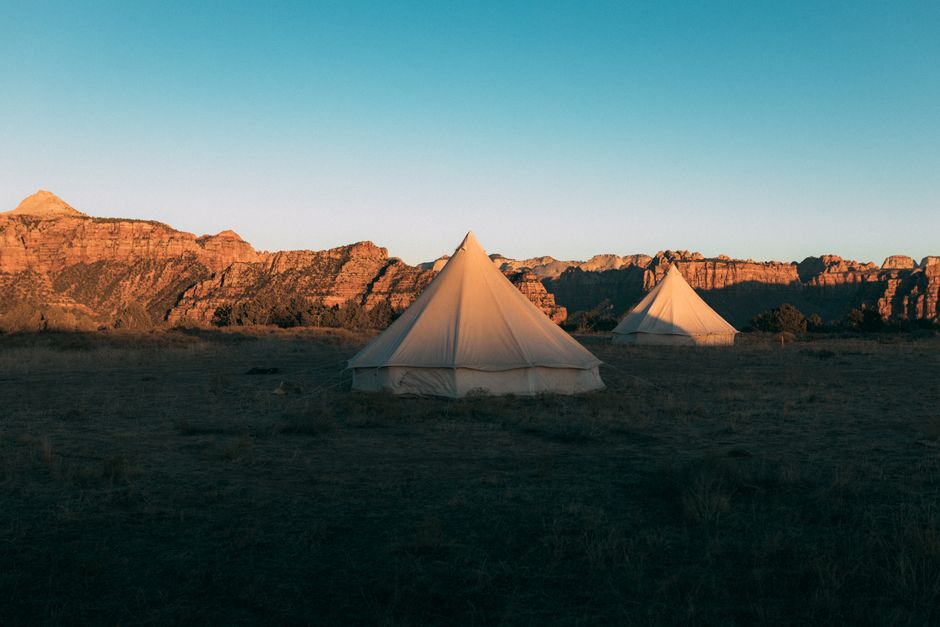
Glamping accommodations typically include permanent or semi-permanent structures such as yurts, safari tents, or cabins, furnished with comfortable beds, linens, and often heating or air conditioning. Many glamping sites offer en-suite bathrooms, gourmet dining options, and even Wi-Fi. This level of comfort can make outdoor exploration more accessible to a wider audience, including families with young children, older adults, or those with physical limitations. The trade-off is that the artificial barriers between the guest and the environment are greater, which might dilute the sense of wilderness.
When considering comfort, it’s important to evaluate what kind of experience one seeks. Traditional camping encourages a deeper engagement with the environment and a lower reliance on material comforts, while glamping provides a bridge for those who want to enjoy nature without sacrificing convenience. Both options have merit, and the decision often hinges on personal comfort thresholds and the desire for either a more primitive or a more luxurious outdoor stay.
Cost Considerations
The cost of a camping trip can vary significantly depending on the style chosen. Traditional camping generally has lower upfront costs if one already owns the necessary equipment. However, investing in quality gear can be substantial, and expenses for campsite fees, food, and transportation still apply. For occasional campers, the initial investment might be spread over multiple trips, making it a cost-effective option in the long run.
Glamping, by contrast, often involves a higher nightly rate compared to standard campsites. The price includes the use of furnished accommodations, amenities, and sometimes add-ons like guided activities or meals. While this can be more expensive than traditional camping, it may be more economical than booking a hotel, especially when considering the unique experience and the inclusion of services. Additionally, glamping eliminates the need to purchase and maintain camping gear, which can be a significant saving for those who do not camp frequently.
Budget planning should also account for hidden costs. In traditional camping, expenses like firewood, ice, and propane can add up. In glamping, there may be service charges or deposits, and optional upgrades can increase the final bill. Comparing the two, traditional camping offers more control over spending, while glamping provides a predictable cost structure with fewer logistical burdens. The choice depends on one’s willingness to manage the details and the value placed on convenience.
Connection to Nature
The degree of connection to nature is perhaps the most subjective aspect of the camping comparison. Traditional camping places individuals directly in the environment, with minimal separation between the sleeping area and the outdoors. The sounds of wildlife, the sensation of the ground beneath, and the need to adapt to weather conditions all contribute to a heightened awareness of the natural world. This immersive experience can foster a profound appreciation for nature and provide a sense of escape from daily routines.
Glamping, while still set in natural surroundings, introduces a layer of comfort that creates a buffer between the guest and the elements. The structures provide shelter and often have windows or decks that allow for observation, but the experience is more curated. For those who prefer a gentle introduction to nature or who want to enjoy the scenery without the physical challenges, glamping still offers a connection, but it is less intense. It might encourage more outdoor activities during the day, knowing that a comfortable retreat awaits.
Both styles allow for participation in outdoor activities like hiking, fishing, or simply relaxing by a fire. The difference lies in the level of exposure and self-reliance. Traditional camping invites a more direct engagement, where campers must manage their needs with limited resources. Glamping offers a balance, enabling people to spend time outdoors while maintaining a degree of comfort that may promote longer stays and repeated exposure. The choice between the two should reflect how important direct immersion is for the individual.
Making the Right Choice
Deciding between glamping and traditional camping involves weighing personal priorities and practical considerations. Traditional camping may appeal to those seeking a budget-friendly, self-sufficient adventure and who find comfort in rustic simplicity. It is also suitable for people who enjoy the process of setting up camp and mastering outdoor skills. The potential downsides include the need for planning and gear, and the possibility of discomfort due to weather or terrain.
Glamping is a fitting option for those who want to experience nature without compromising on comfort. It is particularly beneficial for introducing camping to newcomers, accommodating special needs, or celebrating occasions in a serene setting. The main drawbacks are the higher cost and the reduced sense of raw wilderness. Some may argue that glamping does not provide the same feeling of achievement or connection as traditional camping.
Ultimately, both options have their own set of advantages and challenges. The decision should be based on an honest assessment of one’s comfort needs, budget, and the type of nature experience desired. Some may even choose to alternate between the two depending on the occasion. By understanding the trade-offs, individuals can select the camping style that best fits their expectations and ensures a rewarding outdoor experience.