Family Camping Essentials: What to Pack for Kids
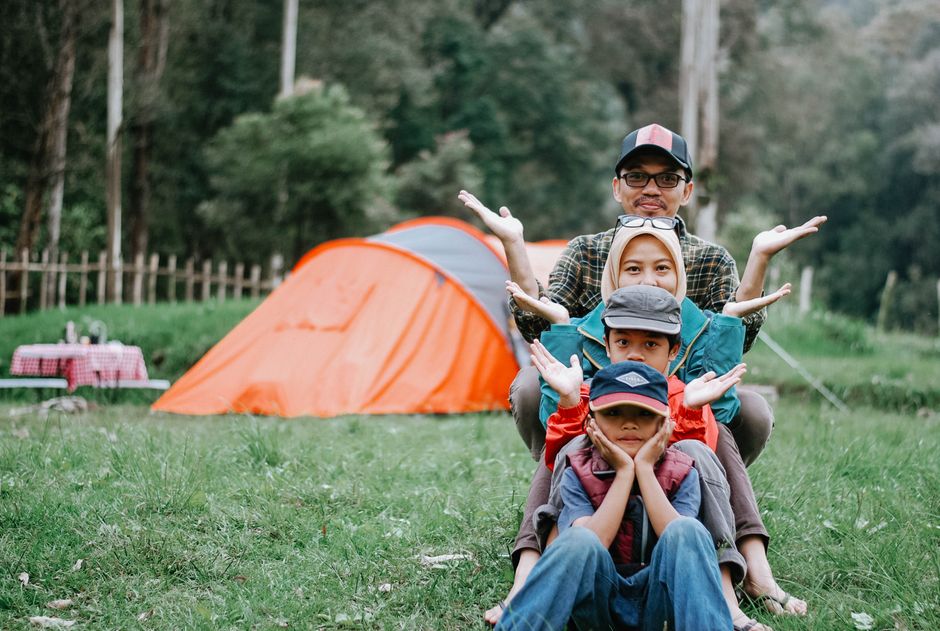
Camping with children can be a rewarding experience, offering families a chance to connect with nature and each other. However, the success of such a trip often hinges on careful preparation. For parents, knowing what to pack for kids is crucial to ensure comfort, safety, and enjoyment. This article provides a comprehensive packing guide, focusing on the essential items that address safety, entertainment, and comfort. By planning ahead, families can focus on creating lasting memories rather than dealing with preventable mishaps.
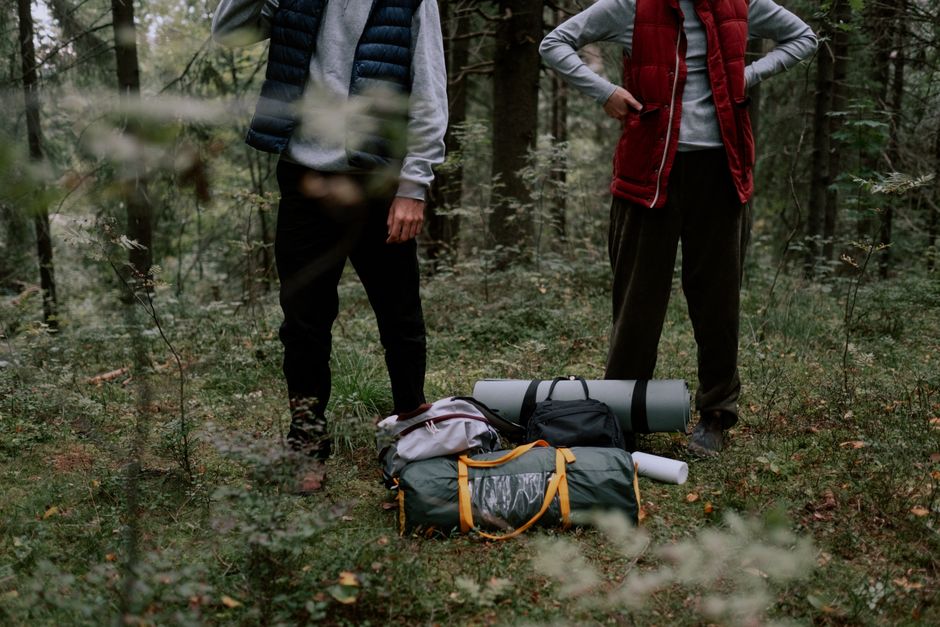
The process of packing for a family camping trip involves more than just throwing items into a bag. It requires thoughtful consideration of the duration of the trip, the age of the children, and the specific environment of the campsite. Each family’s needs will differ, but there are common categories of gear and supplies that are universally important. This guide aims to help parents systematically organize their packing, ensuring that no critical item is left behind.
Safety First: Essential Gear for Children
Safety is paramount when camping with children. The outdoors present unique risks, from uneven terrain to encounters with wildlife. Therefore, packing appropriate safety gear is non-negotiable. One of the first items to consider is a well-stocked first-aid kit. This kit should be tailored to children and include items such as adhesive bandages, antiseptic wipes, tweezers for splinters, and children’s pain relievers. It is also wise to include a basic guidebook on treating common outdoor injuries, as this can be a quick reference in case of an emergency.
Beyond the first-aid kit, parents should pack appropriate clothing and footwear. Durable, closed-toe shoes are essential for protecting little feet from sharp rocks and thorny plants. Clothing should be layered, as temperatures can fluctuate significantly between day and night. Quick-dry fabrics and moisture-wicking materials are recommended to keep children dry and comfortable. Additionally, hats and sunglasses are important for sun protection, and insect repellent is crucial in areas with high bug activity. It is also advisable to bring a whistle for each child, which can be used as a signal if they get lost. Teaching children how to use this tool before the trip is a good practice.
Another safety consideration is campfire safety. If the campsite allows fires, parents should pack a fire extinguisher or a bucket of water and keep a close eye on children near the fire. Fireproof gloves and long-handled roasting sticks can help prevent burns. Additionally, it is wise to establish clear rules about the campfire perimeter and discuss them with the children before arrival.
Comfort and Sleep: Ensuring Restful Nights
A good night’s sleep is vital for the well-being of children and parents alike. To ensure restful nights, the right sleeping gear is essential. A high-quality sleeping bag rated for the expected temperature range is a must. For younger children, a toddler sleeping bag or a pack ‘n play with a mattress may be more appropriate. Inflatable sleeping pads or foam mats provide insulation and cushioning from the ground, enhancing comfort.
Familiar items from home can greatly ease the transition to a new sleeping environment. Bringing along a child’s favorite blanket, stuffed animal, or pillow can provide a sense of security and comfort. This is especially beneficial for younger children who may feel anxious in unfamiliar settings. Additionally, packing pajamas appropriate for the season and extra socks for cold nights will help maintain warmth.
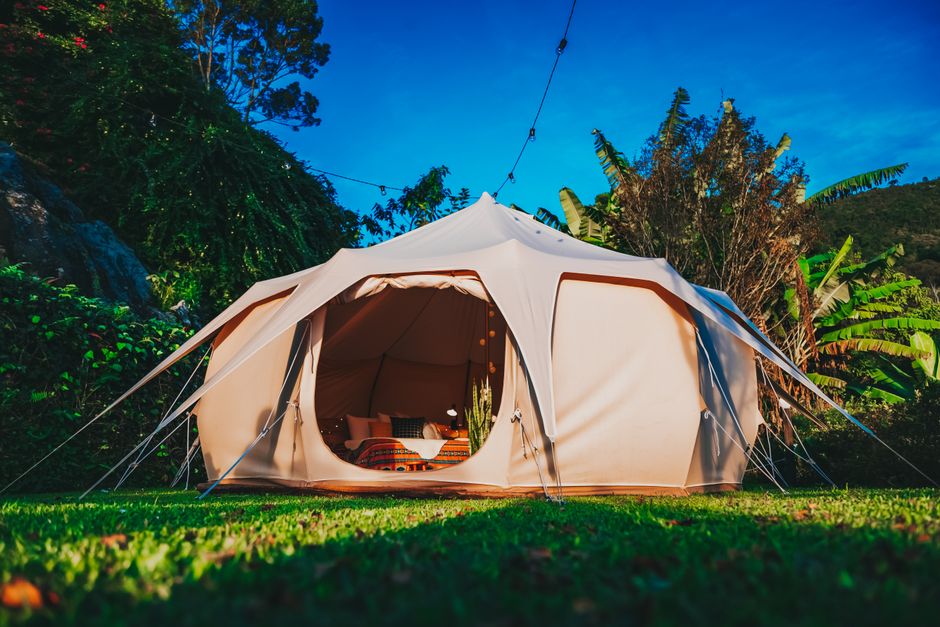
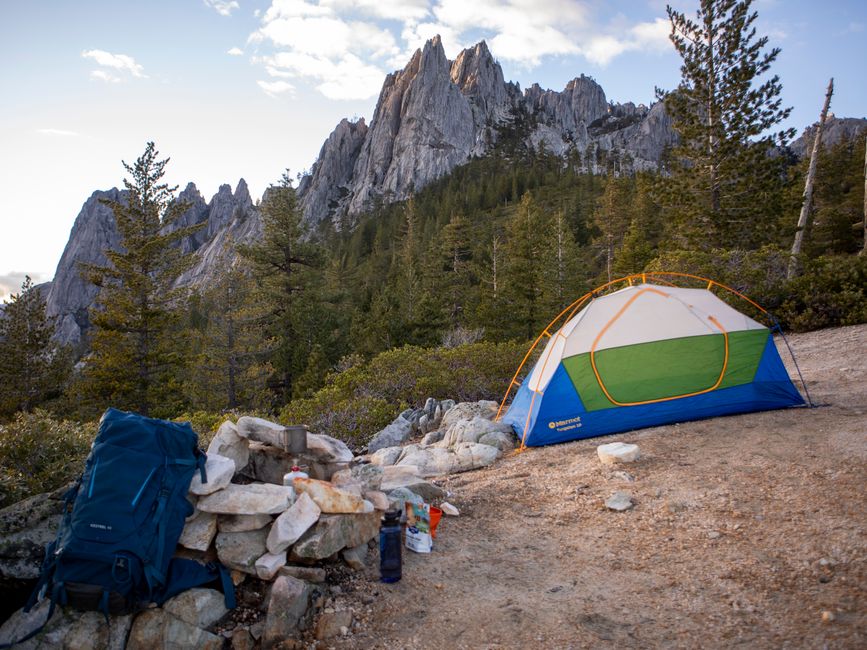
Parents should also consider the sleeping arrangements in the tent. A tent that is adequately sized for the family, with proper ventilation, contributes to a comfortable sleep environment. It is advisable to set up the tent at home before the trip to ensure everyone is familiar with the process and the tent is in good condition. This practice also allows families to practice sleeping in the tent, which can be a fun pre-camping activity.
Mealtime and Nutrition: Feeding Kids in the Outdoors
Maintaining a nutritious diet while camping is important for children’s energy levels and overall health. Planning meals and snacks in advance can simplify the process and ensure that kids eat well. Non-perishable items such as trail mix, granola bars, dried fruit, and nut butter are convenient and easy to pack. For fresh food, a reliable cooler with ice packs can keep perishables like fruits, vegetables, and dairy products at a safe temperature.
Cooking equipment is another essential aspect of mealtime. A portable camp stove or a grill, along with fuel, cookware, and utensils, allows families to prepare hot meals. It is important to pack child-friendly utensils, such as plates and cups that are unbreakable and easy to clean. Involving children in meal preparation can be a fun activity, but safety around hot surfaces and open flames must be strictly enforced.
Hydration is also critical. Packing enough water for the entire trip is essential, especially if the campsite does not have potable water. Water bottles for each family member, a large water container, and a water purification method, such as tablets or a filter, are wise additions. Parents should encourage children to drink water regularly, particularly during physical activities, to prevent dehydration.
Entertainment and Activities: Keeping Kids Engaged
While camping itself is an adventure, children may need extra stimulation during downtime. Packing a variety of entertainment options can keep kids engaged and reduce boredom. Classic outdoor games such as a frisbee, a ball, or a kite are easy to pack and offer hours of fun. Nature-based activities, like a magnifying glass for inspecting insects or a bird identification book, can turn the campsite into an educational playground.
For quieter moments, consider bringing art supplies like sketchbooks, crayons, and watercolor sets that allow children to capture their surroundings. A deck of cards or small board games are compact and can be played in the tent during inclement weather or in the evening. Additionally, a flashlight or headlamp for each child can make nighttime explorations exciting while serving a practical purpose.
It is also valuable to involve children in simple camping tasks, such as gathering firewood, setting up the tent, or cooking. These activities instill a sense of responsibility and make children feel integral to the camping experience. By offering a mix of structured and unstructured activities, parents can ensure that children remain entertained and engaged throughout the trip.
Hygiene and Sanitation: Keeping Clean and Healthy
Maintaining hygiene in the outdoors is important for health and comfort. Parents should pack a well-organized hygiene kit that includes biodegradable soap, shampoo, toothbrushes, toothpaste, and hand sanitizer. For younger children, baby wipes and diapers or pull-ups are essential. A portable changing pad can facilitate quick and clean diaper changes.
To manage waste, packing garbage bags and a portable toilet or trowel for digging cat holes is responsible practice. It is crucial to follow Leave No Trace principles, which emphasize minimizing human impact on natural areas. This means packing out all trash, including hygiene products, and properly disposing of human waste.
At the campsite, setting up a designated hand-washing station with a water container and soap can encourage regular hand hygiene, especially before meals. Parents should also pack a small amount of laundry detergent for washing reusable items like cloth napkins or towels. By staying on top of sanitation, families can prevent the spread of germs and enjoy a healthier trip.
Preparing for the Unexpected: Extra Supplies and Contingency Plans
Despite meticulous planning, unexpected situations can arise during a camping trip. Being prepared for such occurrences can alleviate stress and ensure a smoother experience. One way to prepare is to pack a “miscellaneous bag” that includes items like a sewing kit, duct tape, extra batteries, a multi-tool, and a repair kit for gear. These items can address minor issues that might otherwise derail the trip.
Another prudent measure is to research the local weather forecast and pack accordingly. If rain is predicted, waterproof clothing, tarps, and extra dry clothes should be included. In case of emergency, having a fully charged cell phone and a power bank is useful, but it is also wise to have a map and compass as backup navigation tools. Parents should share the trip itinerary with someone not on the trip, as a safety precaution.
Finally, it is essential to have a plan for various emergency scenarios. This includes knowing the location of the nearest hospital or urgent care facility and having a first-aid response plan. Discussing these plans with older children can help them understand what to do in an emergency. By preparing for the unexpected, families can enjoy peace of mind and focus on the positive aspects of camping.
In conclusion, packing for a family camping trip with children requires thoughtful consideration of safety, comfort, nutrition, entertainment, hygiene, and contingency plans. By following a comprehensive checklist and adapting it to their specific needs, families can ensure a stress-free and enjoyable experience. CampScout, as a resource, emphasizes the importance of preparation in making outdoor adventures with kids safe and memorable. With the right gear and mindset, camping can become a cherished family tradition.